
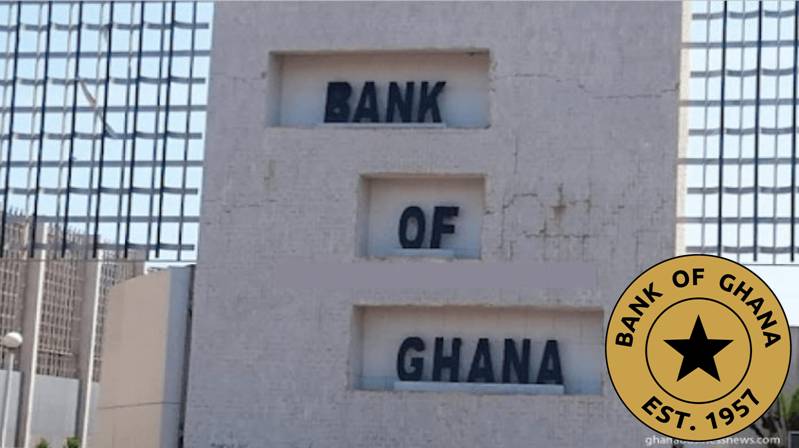
The Monetary Policy Committee (MPC) of the Bank of Ghana has concluded its 127th meeting with a significant decision — a reduction in the Monetary Policy Rate (MPR) by 350 basis points, from 21.5% to 18%. This is the largest single cut in the current easing cycle and marks a turning point in Ghana’s macroeconomic recovery efforts.
At the Economic Governance Platform (EGP), we view this decision as a clear signal of improving economic conditions and growing confidence in the country’s stabilization programme.
A Journey from Tight Control to Strategic Easing
This outcome did not emerge overnight. Over the past year, Ghana’s monetary policy stance moved through phases of restraint, discipline, and cautious adjustment. The policy rate peaked at 28% earlier in 2025 when inflation remained persistent. Rather than relax prematurely, the Bank maintained a tight stance until firm disinflation indicators emerged. Only then did it begin easing — first in July, then again in September and October — culminating in this most recent and bold adjustment.
From the peak of 28%, Ghana has now recorded a cumulative policy easing of 1,000 basis points, reflecting a carefully staged transition from inflation containment to economic stimulus.
Why the Bank Acted Now
Several macroeconomic developments shaped this decision:
• Inflation has fallen sharply — from over 23% in January 2025 to 8% in October, placing it squarely within the Bank’s medium-term target band for the first time since 2021.
• The cedi has stabilised strongly, supported by improved foreign reserves, a surplus current account, and renewed market confidence.
• Fiscal consolidation has taken hold, with Ghana recording a primary surplus and outperforming deficit targets in the first nine months of 2025.
• Economic activity is rebounding, with business confidence, consumption, and production all showing sustained improvement.
Together, these factors provided the policy space for easing without undermining price stability.
What This Means for Businesses, Investors, and Households
The cut is expected to generate wide-ranging effects across the economy:
• Cheaper credit: Lending to the private sector is expected to pick up, especially for manufacturing, SMEs, and agribusiness.
• Lower government borrowing costs: Falling interest rates will ease pressure on the budget and free fiscal space for development spending.
• Treasury bill yields are likely to decline further, improving market liquidity.
• Improved investor sentiment: The combination of falling inflation and a stable exchange rate strengthens Ghana’s attractiveness to both domestic and international investors.
While market interest rates may not fall immediately to match the policy rate, EGP anticipates more favourable financing conditions within the next two quarters.
Risks That Still Require Vigilance
Despite the positive outlook, risks remain:
• Global commodity price shocks could reintroduce inflationary pressures.
• Capital outflows are possible as Ghana’s rate advantage narrows.
• Domestic demand growth could become excessive if not properly managed.
The Bank’s return to active liquidity management through short-term instruments will be critical to navigating this transition.
EGP’s View
EGP believes the 350bps cut is a bold but justified decision. It reflects discipline, consistency, and confidence rooted in evidence, not sentiment. The current real interest rate remains positive, meaning inflation control is still intact even as growth is supported.
However, sustaining these gains requires continued fiscal discipline, financial sector reform, and careful monitoring of macroeconomic risks.
The Way Forward
For businesses, this is the moment to plan investments strategically and negotiate financing more actively.
For policymakers, the task is to preserve hard-won stability through responsible fiscal management.
For investors, Ghana’s improving fundamentals present opportunity — but discipline must be maintained on all fronts.